Research A: A Cat Thing, Design Company, Taiwan https://mymodernmet.com/modular-cardboard-cat-furniture/
https://mymodernmet.com/amazon-cardboard-box-art-monami-ohno/
Research A: A Cat Thing, Design Company, Taiwan https://mymodernmet.com/modular-cardboard-cat-furniture/
Title: Collection Fluxus
Materials: duck tape, card board, model magic clay, air dry crayola clay, silver 16 gauge wire, random beads, notebook paper, markers, acrylic paint, fabric scraps, hot glue
Measurements: 11x 3 x2.5
Artist Statement: I took the theme of collections within grief and applied it to my fluxus box. The box and sculptures reflect various ways I have attempted to cope with the loss of both parents for the last 4 years.
In process images:
Research 1:
Research 2:
https://foundations3ddesign.blogspot.com/2019/02/marcel-duchamp-artist.html
Color 1: Scarlet
Title: Kermes Beetle
Materials: Acrylic paint markers
For this piece, I chose to draw a Kermes beetle- the insect historically used to produce the vivid red pigment known as kermes dye. In The Secret Lives of Color, the author explains that the name “scarlet” originally referred to a luxurious woolen cloth from the 14th century, which was so frequently dyed with Kermes beetles that the word eventually became associated with the color itself. The dye was exceptionally bright, rare, and expensive, symbolizing wealth and exclusivity.
By focusing on the beetle, I wanted to highlight the often-overlooked origins of this iconic color and acknowledge the natural source behind a shade long linked to status, beauty, and luxury.
Color 2: Fuchsia
Title: Button Scarf
Materials: Yarn, Knitting Needles, and Buttons
For my second piece of the Secret Lives of Color assignment I chose a knitted scarf I am making as a Christmas gift. Fuchsia is one of my friend's favorite colors- and I found the perfect shade at Michaels. Luckily, Fuchsia comes in a "variety of ballerina hues- including whites, reds, pinks and purples" (The Secret Lives of Color, page 124) Because of the range this color can show up in, I had some wiggle- room while still staying relatively close to the color.
Research A
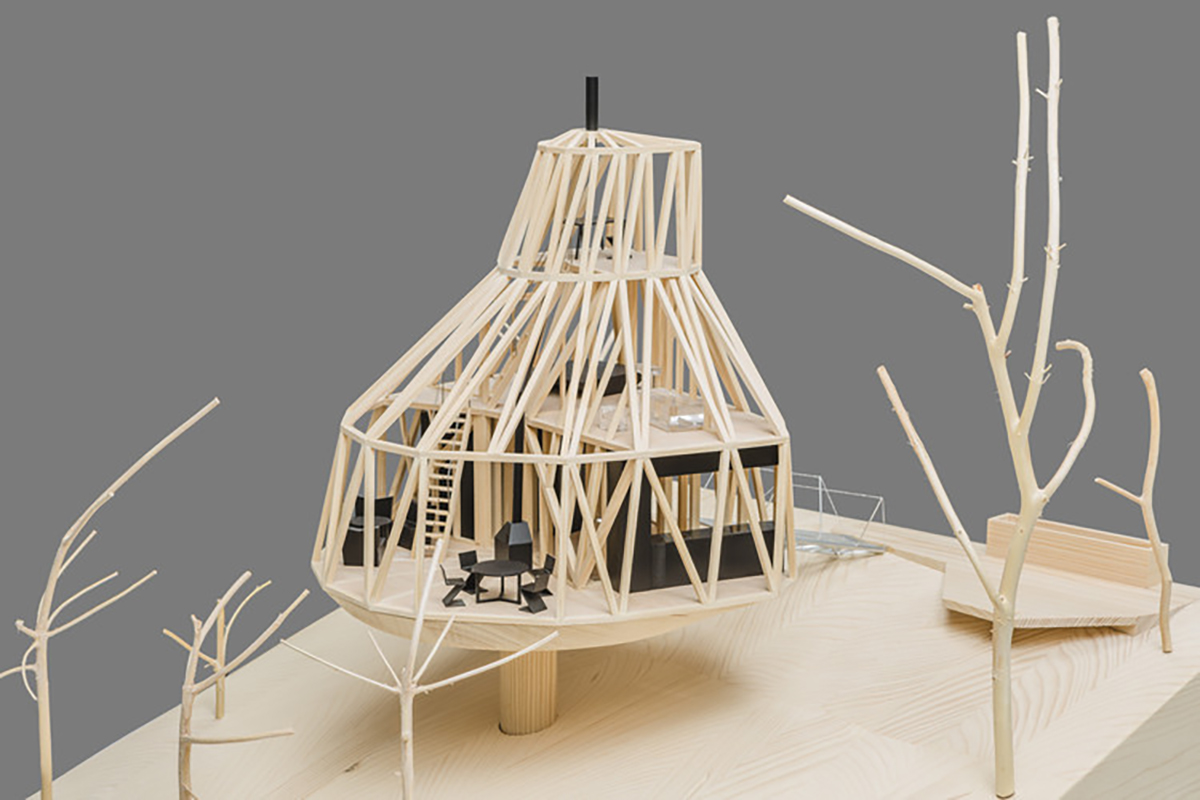
not sure of artist, https://zenvietart.com.vn/en/news/the-materials-make-the-best-architectural-model-15
Research B

artist: Ellie, https://elliefmpblog.wordpress.com/2016/05/22/update-on-my-masking-tape-honeycomb-sculpture/
Research C

Artist: Alex Granwell, https://foundations3ddesign.blogspot.com/2023/02/alexis-granwell-artist.html
In Process Image:
Reflection Statement
The three sculptures visually communicate pattern, focal point, and negative space. As I experimented with different materials, I found myself drawn to ideas of infrastructure and stability, which guided many of my decisions. Incorporating hot glue as a structural element became a consistent theme across all three pieces. Early on, I felt the sculptures lacked enough material presence, so I began testing a wooden base to create more balance and support.
Going forward, I want to continue exploring hot glue as its own material rather than simply an adhesive. I added string to begin experimenting with macramé techniques as well, since that’s an area I’m curious to develop further. Overall, this project allowed me to step outside my usual approach and discover new possibilities in combining materials.
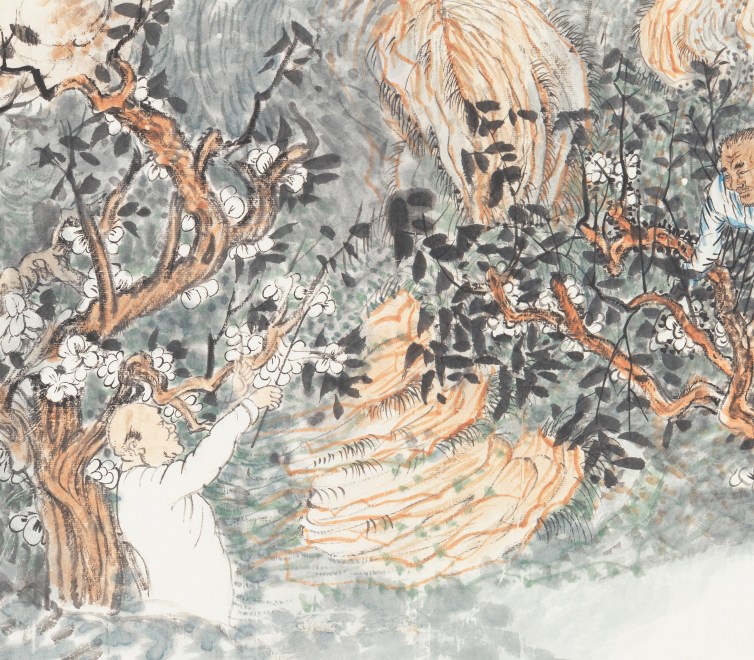
https://art21.org/watch/artist-to-artist/yun-fei-ji-with-kerry-james-marshall-at-prospect-3/

Title: Cardboard Replica Materials: duct tape and cardboard Size: 6 x 10 x 7.5 Research A: A Cat Thing, Design Company, Taiwan https://my...